
ABOUT THE DESIGNER
Melanie Hick brings a distinctive combination of artistry, storytelling, ecological expertise and international project leadership to landscape design practice.
Her 2026 RHS People’s Choice award-winning Chelsea Flower Show nocturnal garden for the Bat Conservation Trust and Silver-Gilt medal Climate-Forward Garden at Hampton Court Palace Garden Festival 2024 demonstrated her expertise in creating resilient, ecologically-informed planting schemes for contemporary climate conditions.
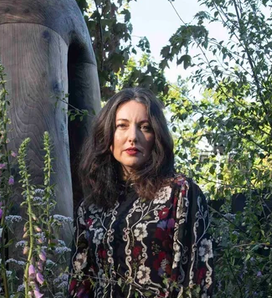
Growing up on extensive properties in Victoria, Australia’s garden state, instilled an intuitive understanding of working with landscape at scale – observing how native eucalyptus woodlands, perennial plantings and agricultural land interact across large sites. This formative experience informs her approach to artistic biodiversity design today.
Formally trained in garden design at London’s Capel Manor College, Melanie’s design education is complemented by two decades managing complex, high-value projects across global markets
See more of Melanie’s work by following her on Instagram and Facebook, or by visiting the links below.
Overview
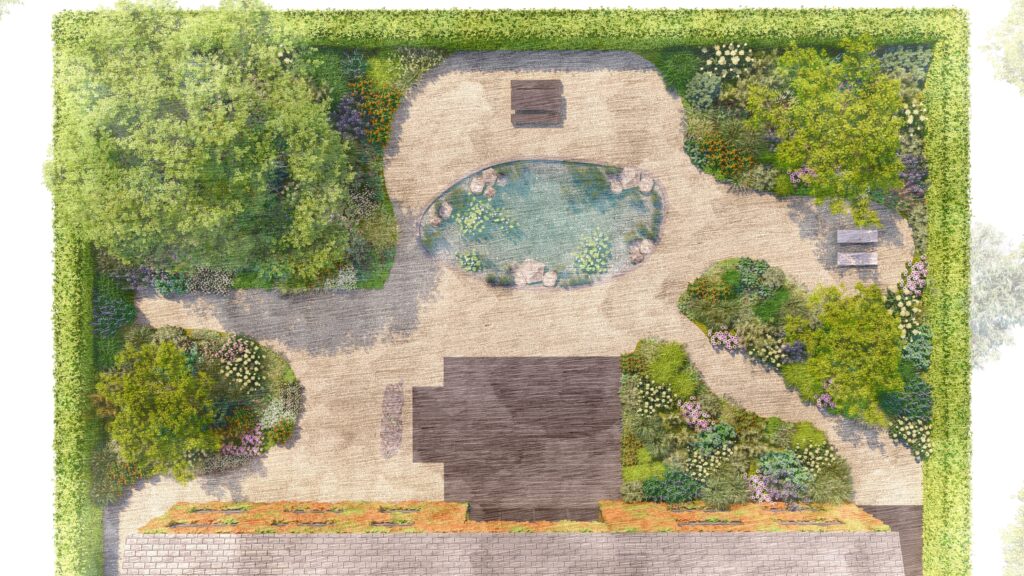
The bat garden for Pittsburgh, PA in the Ridge and Valley (8.4.1) Ecoregion, brings wildlife home with a naturalistic matrix of 25 native species from tall shagbark hickory, Carya ovata, to small sweet william, Phlox divaricata, and a range of interesting plants in between.
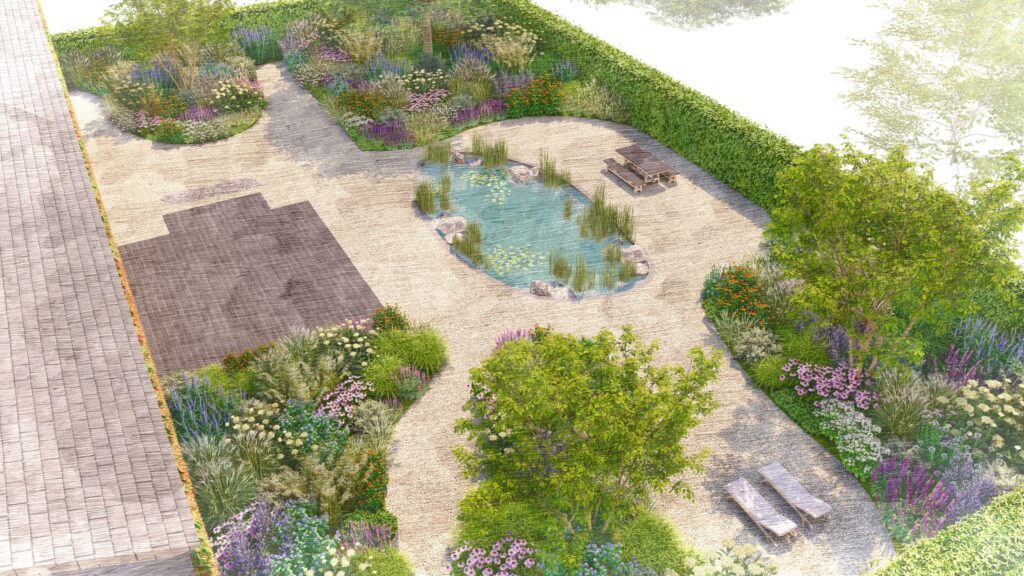
Designed in islands with seating and lounging throughout the space, there is a wildlife observation point for every mood of the day, for morning and evening, groups or solo journaling and monitoring.
The garden incorporates water and roosts to support the insects and invertebrates that bats eat with a naturalistic pond as a central focal point. The entire space from front boundary to back fence does away with lawn and turf.
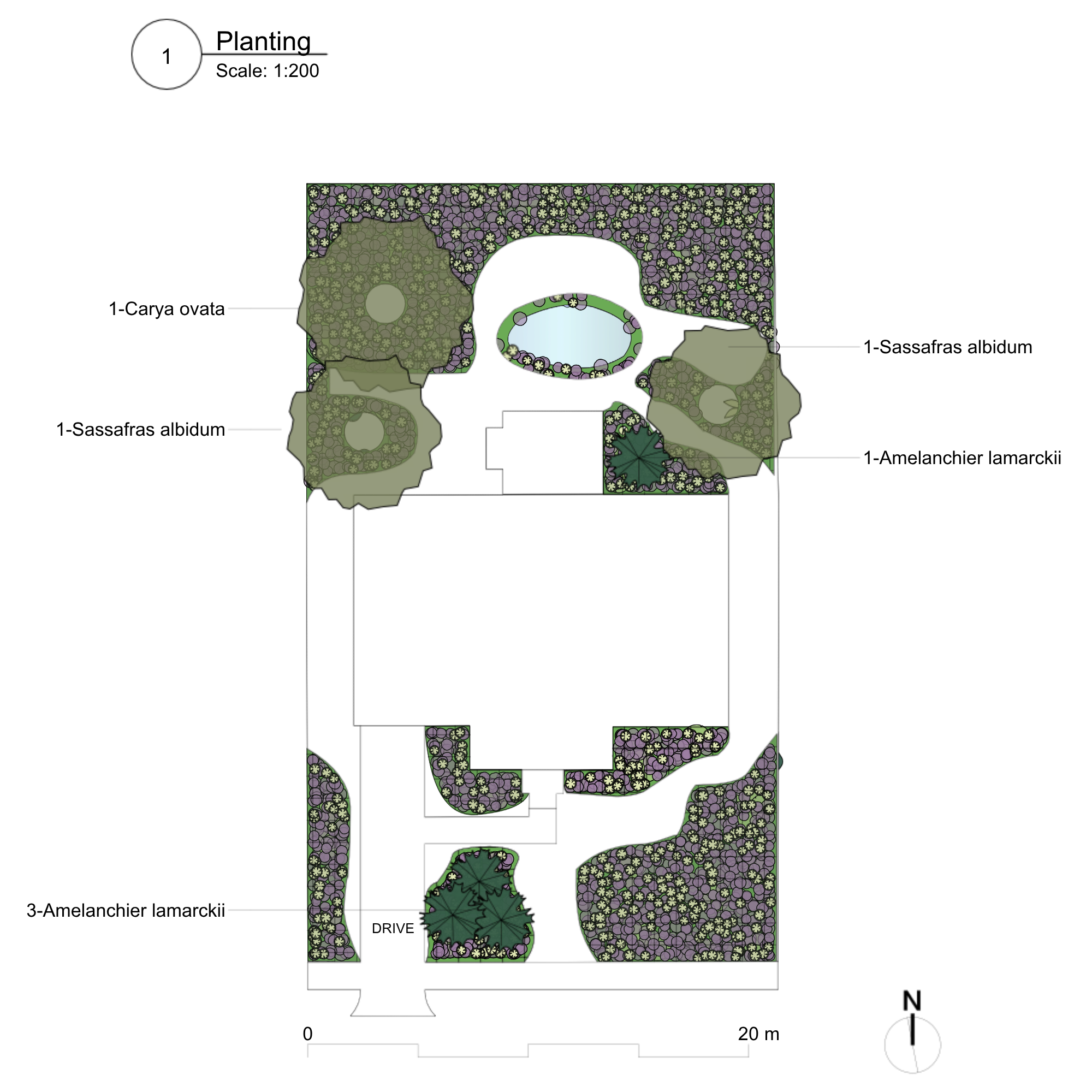
To add bat houses, such as those available from WildYard, to this design, I propose a large roost on each side of the house to allow for bats to adjust their temperature. A south-facing roost will warm up more, and a north-facing roost will allow them to cool down.
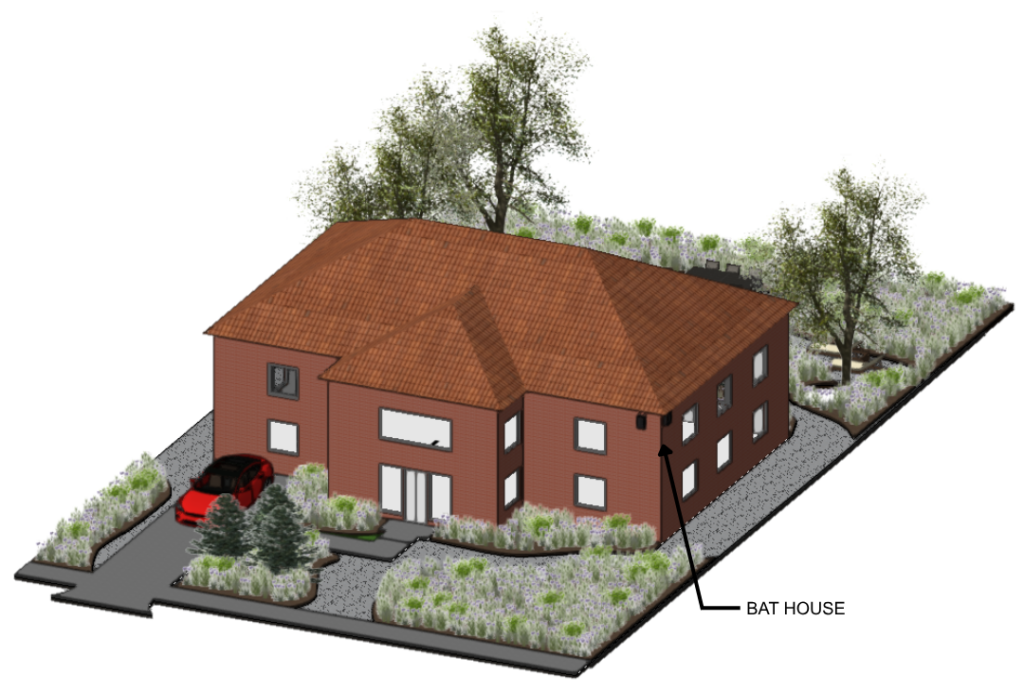
The planting design is created in a naturalistic matrix, which means a grid format over which a set number of each type of plant is laid. This means that even without this plan, if you have this plant list, and can measure out your plot in square feet, you can achieve this garden to support bats in this bioregion. The specific numbers of plants per square foot are supplied on the planting matrix sheet. The benefit of using this matrix is also that the plants can be purchased or obtained in a range of sizes. We are not looking for the instant impact of a show garden here, rather a naturalistic emergent woodland edge space that will see different species thrive, expand, self-seed and assert dominance over time, with you as the manager.
You have five pairs, and a range of tall emerging perennials, tall shrubs or small trees, a lattice of groundcover and one superb tall tree. The planting pairs are combined because each plant looks good next to its partner, and
repetition of combinations over a site gives a sense of unity and cohesion. However, while this is a formula, it’s not restrictive. So if you have a personal preference for more or less Aster, for example, you manage the numbers that appear in each square foot. Rattlesnake Master, Eryngium yuccifolium, is my favorite plant in the scheme and is a
stunning architectural plant which may be considered out of range but has proven wildlife benefits and is visually enjoyable for the garden visitor.
A small number of species have been chosen to plant into the water of the pond. Winged Loosestrife, Lythrum alatum; Northern Water-Plantain, Alisma triviale; and Broadleaf Arrowhead, Sagittaria latifolia. Quantities of 1-5 of each should be embedded in the boggy margins of the pond with the view that they will spread.
The artistic interpretation* also includes Boston Ivy, Parthenocissus quinquefolia, planted against the house. This is not part of the matrix planting instructions and is proposed to the homeowner to plant according to nursery instructions.
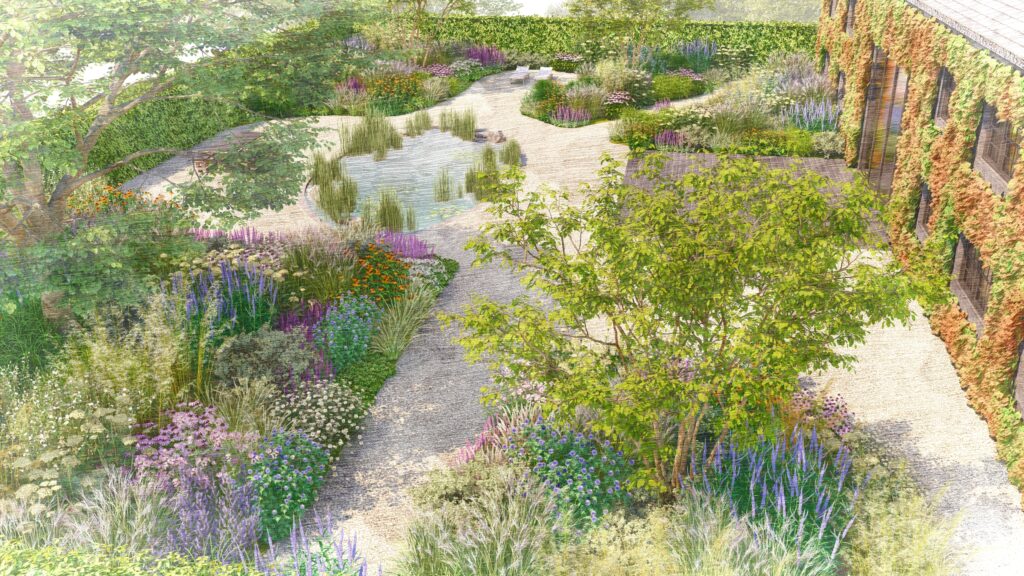
These plants are generally available from local nurseries and online retailers. For help in locating a nursery, visit the Wild Ones Nursery List, or connect with your local chapter. The plants are selected for a long flowering or period of interest for the months that bats are active. Diversity of shapes, bloom time and color, form, height and habit are considered.
The plant variety chosen in each type such as “sunflowers” has generally been selected because it serves the most bat species in that category and is still an attractive plant to grow for a gardener. For example, the shagbark hickory, Carya ovata, is chosen because it supports 9 bat species, has 29 “prey links” and additionally is a visually interesting tree with magnificent bark that can also function as an opportunistic bat shelter at maturity. Other Carya varieties score higher or lower, but on balance this is a fine tree.
Planting for climate change means including diversity to ensure some plants are flowering or fruiting to support the insects that bats eat in spite of unforeseen weather events. Diversity means we can hopefully cover the failure of any one species in extremes of drought or deluge, ensuring another species may thrive and continue to fuel bats. At this stage, with our certainty being simply that the climate is uncertain, diversity is a wise tactic.
To practically build this garden, it has been designed with a range of islands that can be created and planted in sequence at the owner’s preference. For example, remove some of the front turf, create one bed, and plant. Create the next bed when ready.
Sources

DC, Maryland, Virginia: https://batcon.box.com/s/7n8nyz6vn8k234vxm2ou6j47tv41xxtx
New York: https://batcon.box.com/s/c4bww55hx78qy9nq4ffmj5hl33wfffd5
New York City: https://batcon.box.com/s/dwwrx3hk4o2dlbqhlnzx3khycv2twqhz
Eastern Bat Garden Guidance: https://batcon.box.com/s/f4uatobq9ilptufk4bn88xx7ox1scac4
*The artistic impressions of this design are just that and are representative of the species in the plan. Their purpose is to show the impression of what the garden could achieve and help visualize the plan in a three-dimensional space.
PLANT LIST
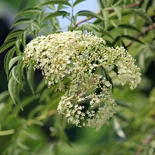
American Elderberry(Sambucus canadensis)
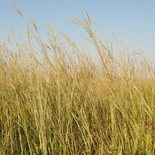
Big Bluestem Grass(Andropogon gerardii)
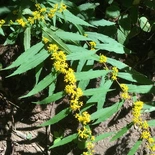
Blue-Stemmed Goldenrod(Solidago caesia)
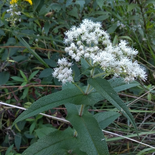
Boneset(Eupatorium perfoliatum)
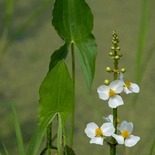
Broadleaf Arrowhead(Sagittaria latifolia)
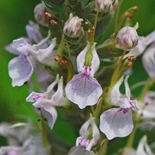
Canada Germander(teucrium canadense)
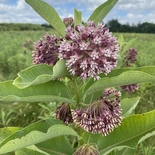
Common Milkweed(Asclepias syriaca)

Downy Serviceberry(Amelanchier arborea)
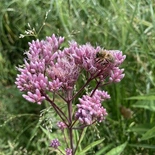
Joe Pye Weed(Eutrochium maculatum)
Little bluestem(Schizachyrium scoparium)
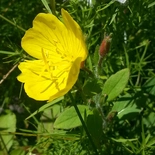
Meadow Evening Primrose(Oenothera pilosella)

Mountain Mint(Pycnanthemum virginianum)
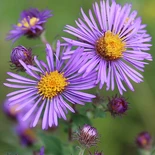
New England Aster(Symphyotrichum novae-angliae)
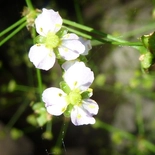
Northern Water Plantain(Alisma triviale)
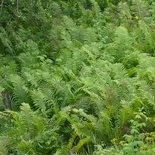
Ostrich Fern(Matteuccia struthiopteris)
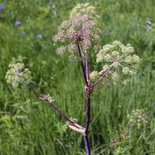
Purplestem Angelica(Angelica atropurpurea)
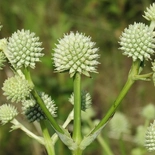
Rattlesnake Master(Eryngium yuccifolium)
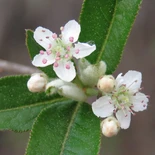
Red Chokeberry(Aronia arbutifolia)
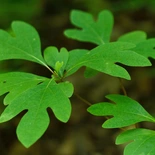
Sassafras(Sassafras albidum)
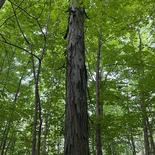
Shagbark Hickory(Carya Ovata)
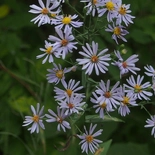
Smooth Blue Aster(Symphyotrichum laeve)
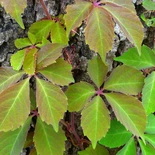
Virginia Creeper(Parthenocissus quinquefolia)
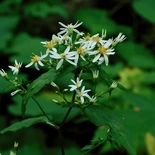
White Wood Aster(Eurybia divaricata)
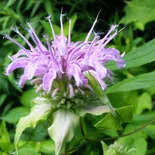
Wild Bergamot(Monarda fistulosa)
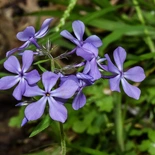
Wild Blue Phlox(Phlox divaricata)
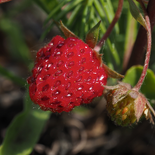
Wild Strawberry(Fragaria virginiana)
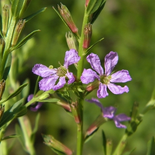
Winged Lythrum(Lythrum alatum)
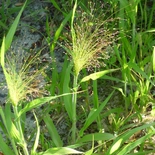
Witchgrass(Panicum capillare)
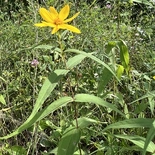
Woodland Sunflower(Helianthus divaricatus)
Wild Ones Science at Home Webinar
Bats in the Backyard
Bats are among the most important and misunderstood wildlife in our communities. Join experts from Bat Conservation International to explore how native plants, healthy insect populations, and thoughtful landscape design can help support bats. Learn about the ecological role of bats and discover practical ways to create habitat for North America’s night flyers right in your own backyard.
Thank you to our Sponsor
This design was made possible thanks to generous support from WildYard through the 1% for the Planet Network.

The WildYard mission is to empower individuals to make a positive impact on the planet by welcoming wildlife into their own backyards. Doing so by offering high-quality products that can inspire and enable people to create habitats that support local wildlife populations.

1% for the Planet is a global movement that challenges businesses to reject the status quo and commit to real environmental impact. Members pledge to give at least 1% of their annual revenue to approved environmental partners—organizations like Wild Ones—that are working to address critical environmental challenges.
Free National Webinar - The Habitat Check-up with Wildr Places
November 18th at 6:00 PM (CT)
Planting native species is an important step toward creating habitat, but how can you tell what’s working, what’s missing, and where to focus your efforts next?
About Wild Ones
Wild Ones (a 501(c)(3) nonprofit organization) is a knowledgeable, hands-on, and supportive community focused on native plants and the ecosystem that depends on them. We provide resources and online learning opportunities with respected experts like Wild Ones Honorary Directors Doug Tallamy, Neil Diboll, and Larry Weaner, publishing an award-winning journal, and awarding Lorrie Otto Seeds for Education Program grants to engage youth in caring for native gardens.
Wild Ones depends on membership dues, donations and gifts from individuals like you to carry out our mission of connecting people and native plants for a healthy planet.
Looking for more native gardening inspiration? Take a peek at what our members are growing!